

Epoxy Floor Maintenance and Cleaning: How to Extend Its Service Life
An epoxy floor needs little maintenance, but it should not be neglected. Everything you need to know, from daily cleaning and stain removal to the…
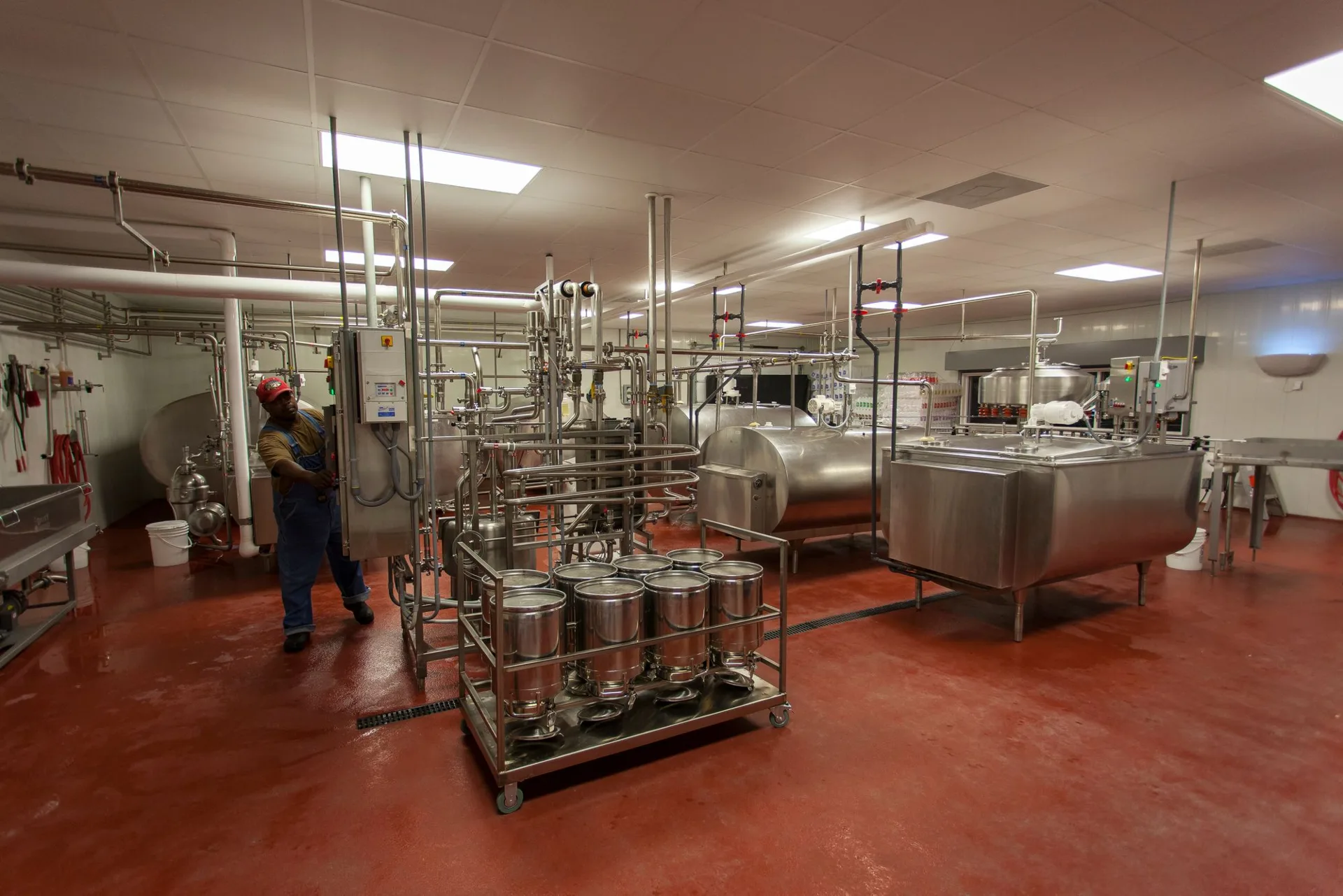
Epoxy flooring is harder and more resistant to compression than polyurethane; it is ideal for indoor, dry areas that carry heavy loads. Polyurethane is more flexible, does not yellow in sunlight and copes better with temperature changes; it is better suited to outdoor areas, cold stores and floors subject to vibration. In most projects the two are used together: an epoxy body with a polyurethane topcoat.
Epoxy and polyurethane are the two materials most often compared in industrial and decorative floor coatings. Both are resin-based, and both give a seamless, hygienic surface, but they behave differently under different conditions. In this epoxy vs. polyurethane flooring guide we explain the differences between the two, which one is the right choice for which area and why they are so often used together.
Epoxy is a hard, rigid material. This lets it withstand compression and heavy loads very well, bond very strongly to concrete and be applied in thick layers. However, if the concrete beneath it moves, it cracks along with it. Polyurethane, by contrast, is more flexible; it can accommodate small movements and vibration, absorbs impact and is more resistant to scratching.
To put it simply: epoxy is the skeleton of the floor, while polyurethane is its muscle and skin. One carries the load; the other copes with movement and surface wear.
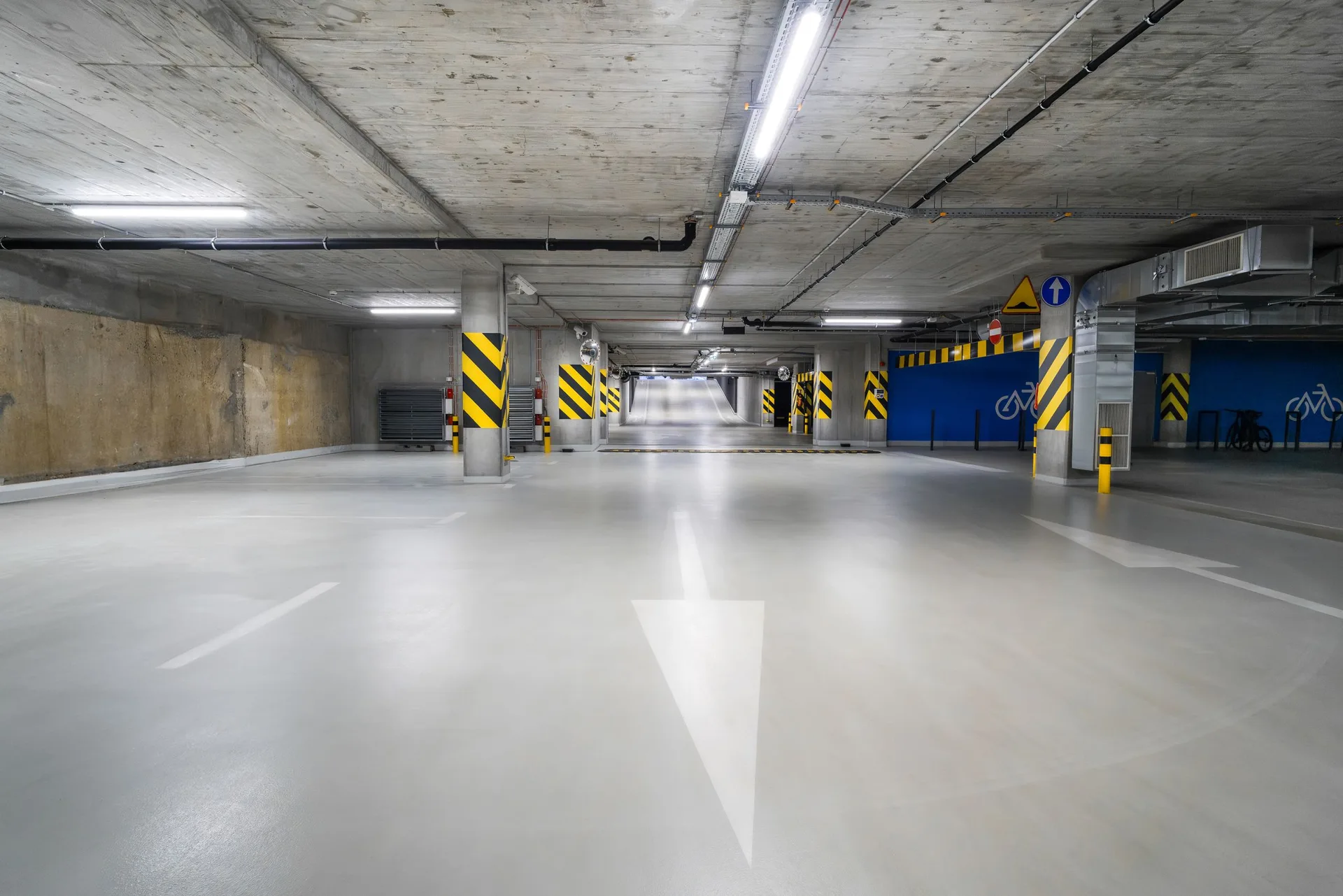
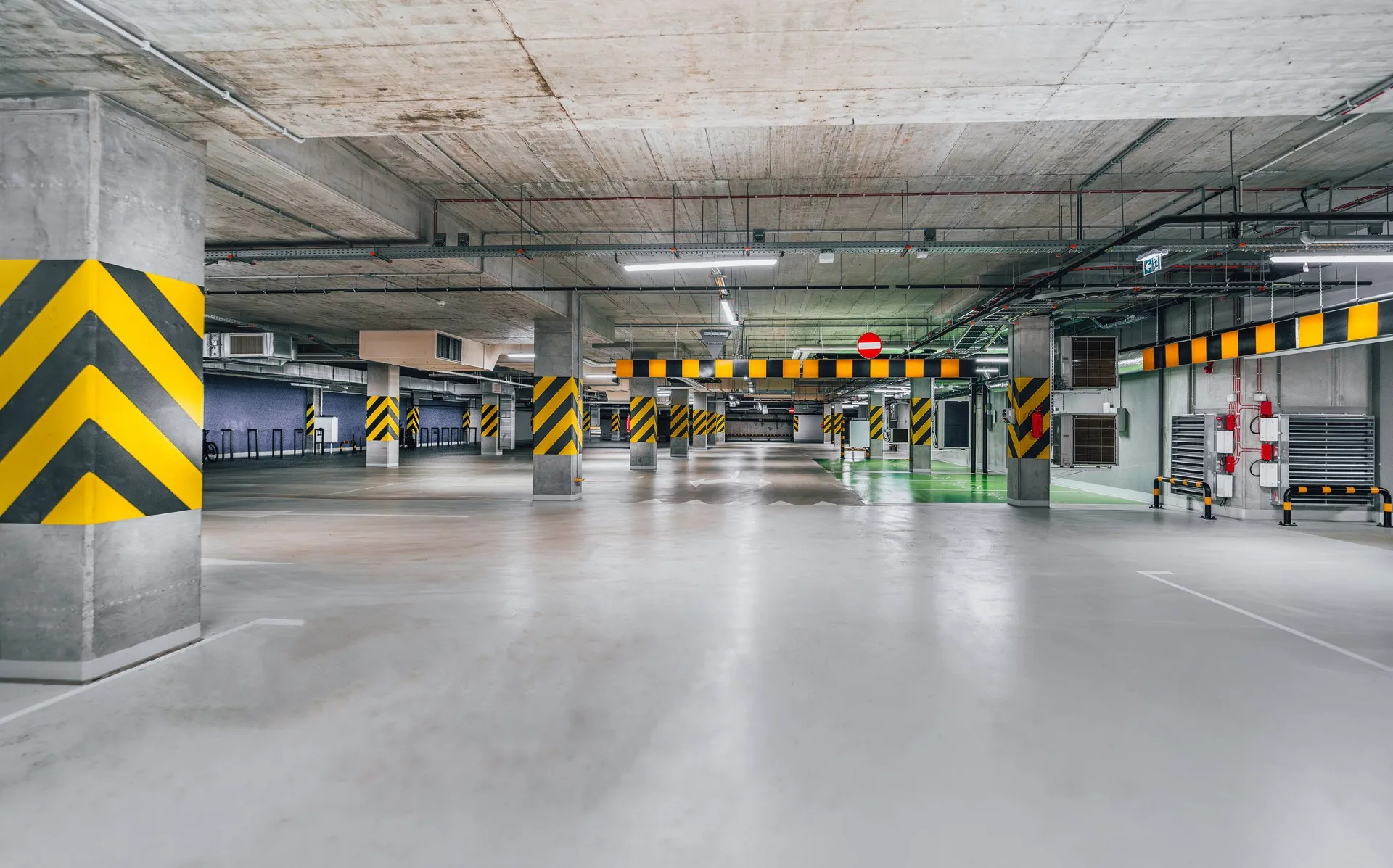
Yes, and in fact this is the most common solution. The epoxy primer and body coat create a solid foundation on the concrete, while the thin polyurethane topcoat applied over them gives the surface scratch resistance, color stability and UV resistance. We often use this combination on decorative floors, on sun-exposed parking garage decks and in stores with heavy foot traffic. This way, the load-bearing strength of epoxy and the surface durability of polyurethane come together in the same floor.
In both systems, the most important factors determining service life are installation quality and maintenance. Epoxy surfaces can dull over time under heavy traffic; a polyurethane topcoat delays this dulling. In both systems, a worn surface can be sanded and renewed with a new topcoat without being removed. You can find the right cleaning methods in our article epoxy floor maintenance and cleaning.
The cost per square meter varies with the thickness of the system, the choice of topcoat and the condition of the floor. As a general trend, pure polyurethane systems are more costly than epoxy of the same thickness. A polyurethane topcoat over an epoxy body, on the other hand, adds only a limited amount to the total cost while significantly extending the appearance and durability of the floor. We have brought together the other factors that determine the price in our article 7 factors that determine the cost of epoxy flooring per m².
The answers to these questions largely determine the right system. If there is no sunlight, hot water or movement and the loads are heavy, epoxy is the right choice; if any of these is present, choose polyurethane or a polyurethane topcoat over epoxy.
Epoxy and polyurethane are not rivals but complements. The right decision is made by looking at the conditions of the space, not at the material. You can explore all of our epoxy systems on our services page, and if you are not sure, you can request a quote so that we can determine the right system for your space together.
An epoxy floor needs little maintenance, but it should not be neglected. Everything you need to know, from daily cleaning and stain removal to the…
Why do epoxy flooring prices vary so much from one project to the next? We explain the items that make up the price so that you can compare quotes…
Our priority is
Tell us about your project, and together we will pin down the right epoxy system for your floor, the application time and our quote.
Get a Quote5-year workmanship and 10-year product warranty. We respond to all requests within 24 hours. We work in all 81 provinces.