
The cost of epoxy flooring per m² is determined mainly by the type and thickness of the system, the condition of the existing floor and the total floor area. The difference between two quotes for the same area usually comes down to thickness and surface preparation, so quotes should be compared on their scope and not on unit price alone.
"How much does epoxy flooring cost?" is the question we hear most often when people request a quote. In this article we explain the seven factors that determine epoxy floor coating cost per m², why quotes can differ so much from one another and what to look for so that you can compare quotes properly.
Why can't a single epoxy flooring price be quoted?
There is no single answer to the question "How much does epoxy flooring cost per square meter?", because epoxy is not one product but a family of systems. Material consumption can differ by a factor of up to ten between a thin paint system and a 5 mm quartz-filled heavy-duty coating. What is more, the same system requires far more preparation work on damaged concrete than on sound concrete. The seven factors below determine the figure in your quote.
1. System type
The first factor that determines the price is which epoxy system will be applied to your space. Roughly from the most economical to the most costly, the order is:
- Epoxy floor paint: 0.3–0.5 mm, economical protection applied by roller.
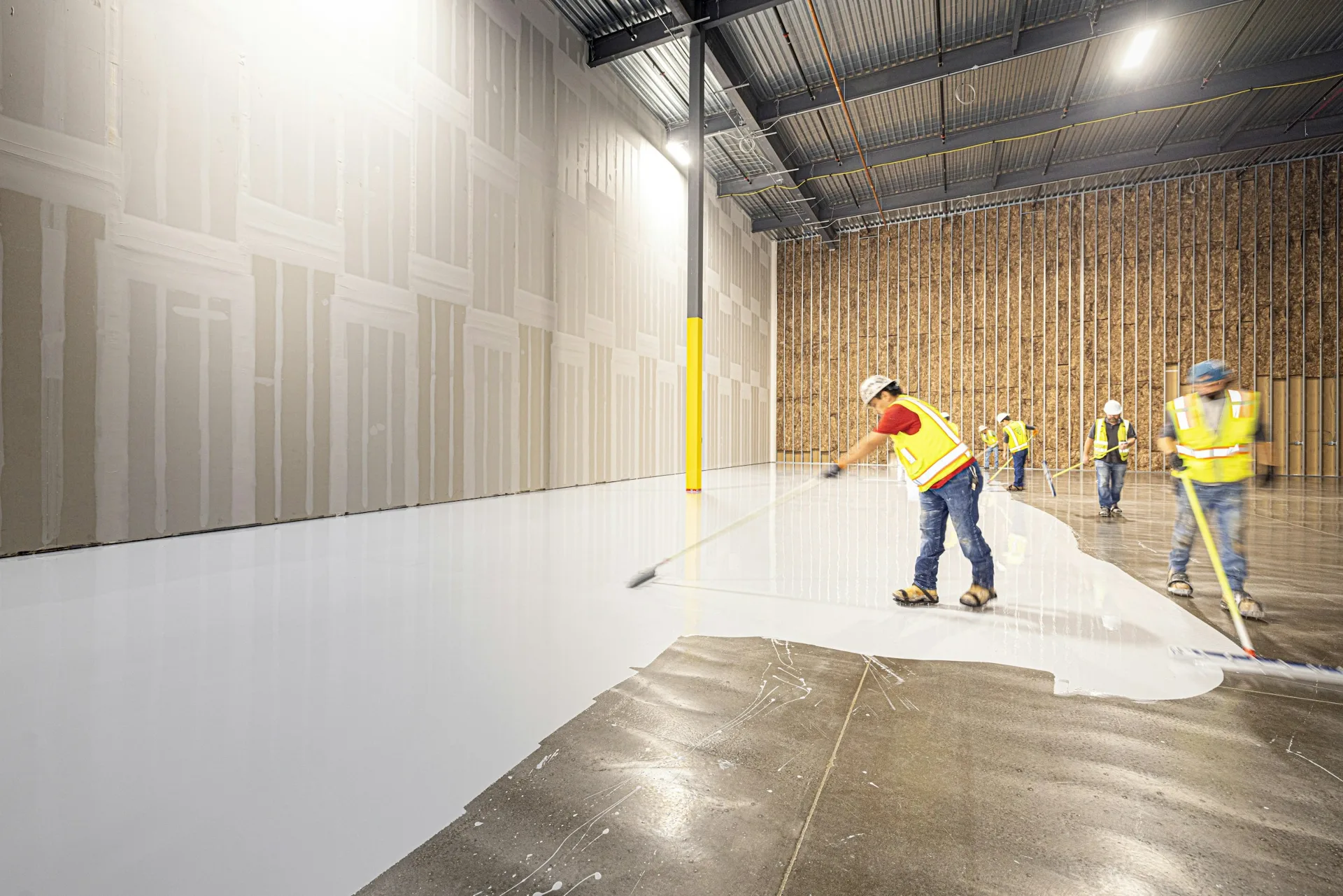
- Self-leveling epoxy: 2–3 mm, a seamless surface that spreads on its own.
- Textured anti-slip epoxy: extra material and labor for the quartz broadcast or textured topcoat.
- Anti-static epoxy: copper tape, conductive primer, grounding and resistance testing.
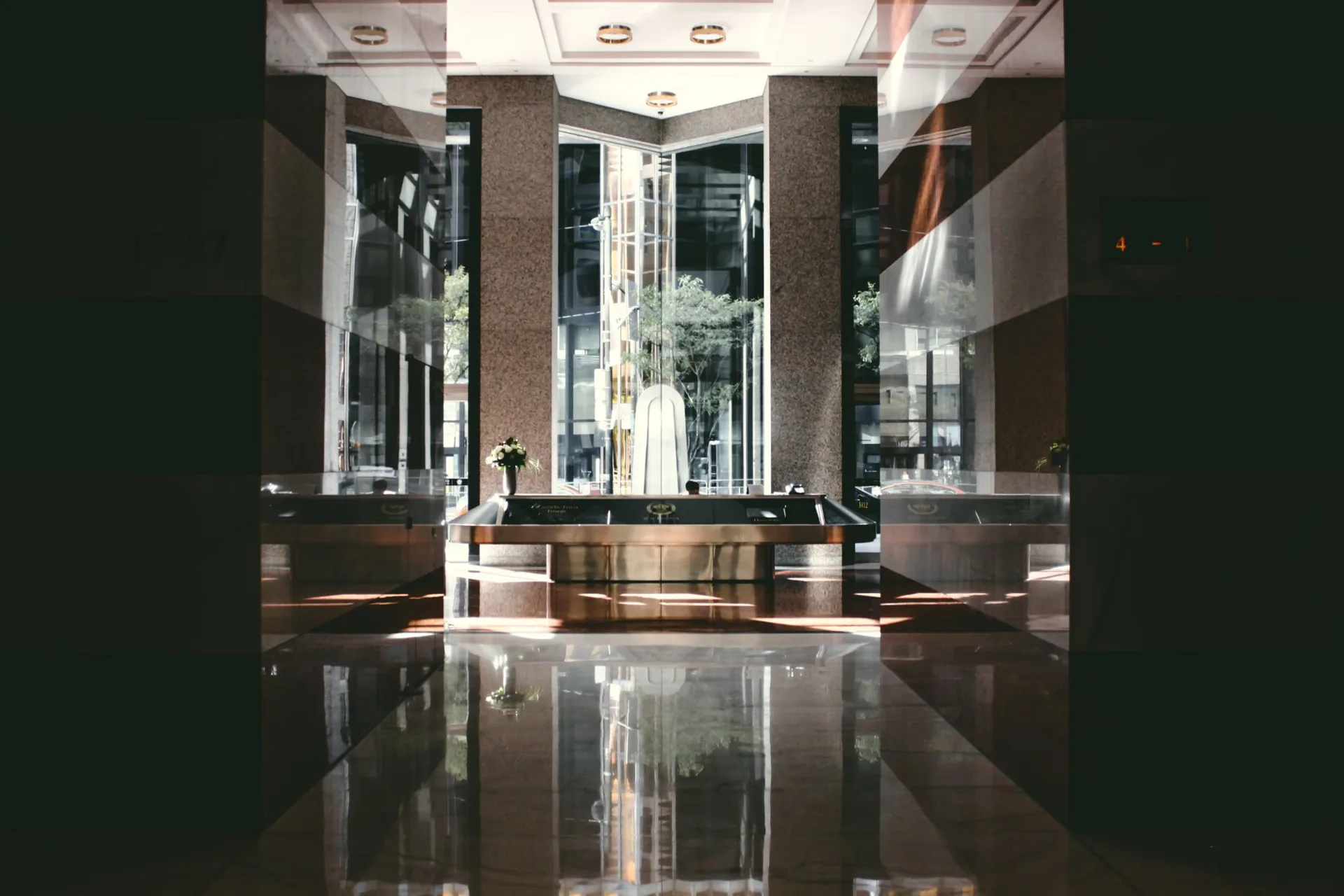
- Metallic epoxy: a decorative application requiring special pigments, sample work and hand craftsmanship.
In anti-static systems it is not only the material that drives up the cost; ensuring the continuity of the conductive layers and the measurements taken at handover also mean extra labor. In metallic systems, the pattern is created by the installer's hand, so experienced craftsmanship is a significant part of the price.
2. Coating thickness
Material consumption is directly proportional to thickness. Applying 3 mm instead of 2 mm means roughly fifty percent more resin. So before comparing the unit price of two quotes, make sure both state the thickness in millimeters. Both 1 mm and 3 mm can be quoted under the heading "self-leveling epoxy"; the difference shows up both in the price and in the service life of the floor.
Thickness is determined by the loads and traffic on the floor. A showroom with foot traffic and a production hall where forklifts turn do not need the same thickness. You can review the systems we recommend for each sector on our sectors we serve page.
3. Condition of the existing floor
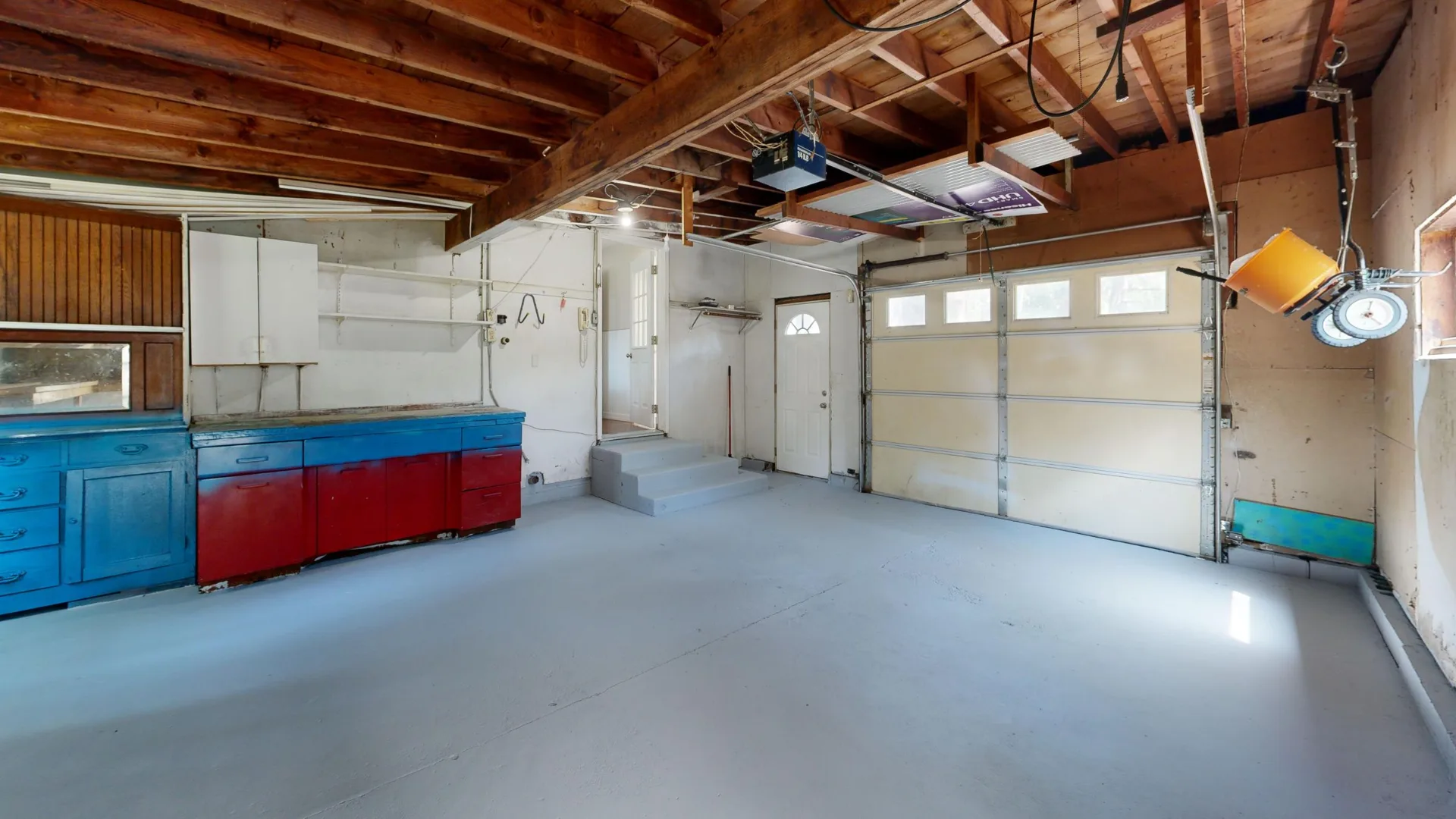
This is the item that changes the price most. Flat, sound concrete only needs to be opened up by diamond grinding and primed. A floor that is cracked, oil-soaked, dusting or covered with an old coating, on the other hand, requires the following additional work:
- Removing old paint or coatings,
- Cleaning oil-soaked areas, or cutting them out and replacing them,
- Opening up cracks and filling them with epoxy mortar,
- Correcting pits and defects with repair mortar or filler,
- A second coat of primer on very absorbent floors,
- A special moisture-tolerant primer on concrete with moisture problems.
Application over existing ceramic tiles or terrazzo is also possible, but in that case the joints must be filled and the surface roughened. We explain the steps of surface preparation in our article how is epoxy flooring installed.
4. Total floor area
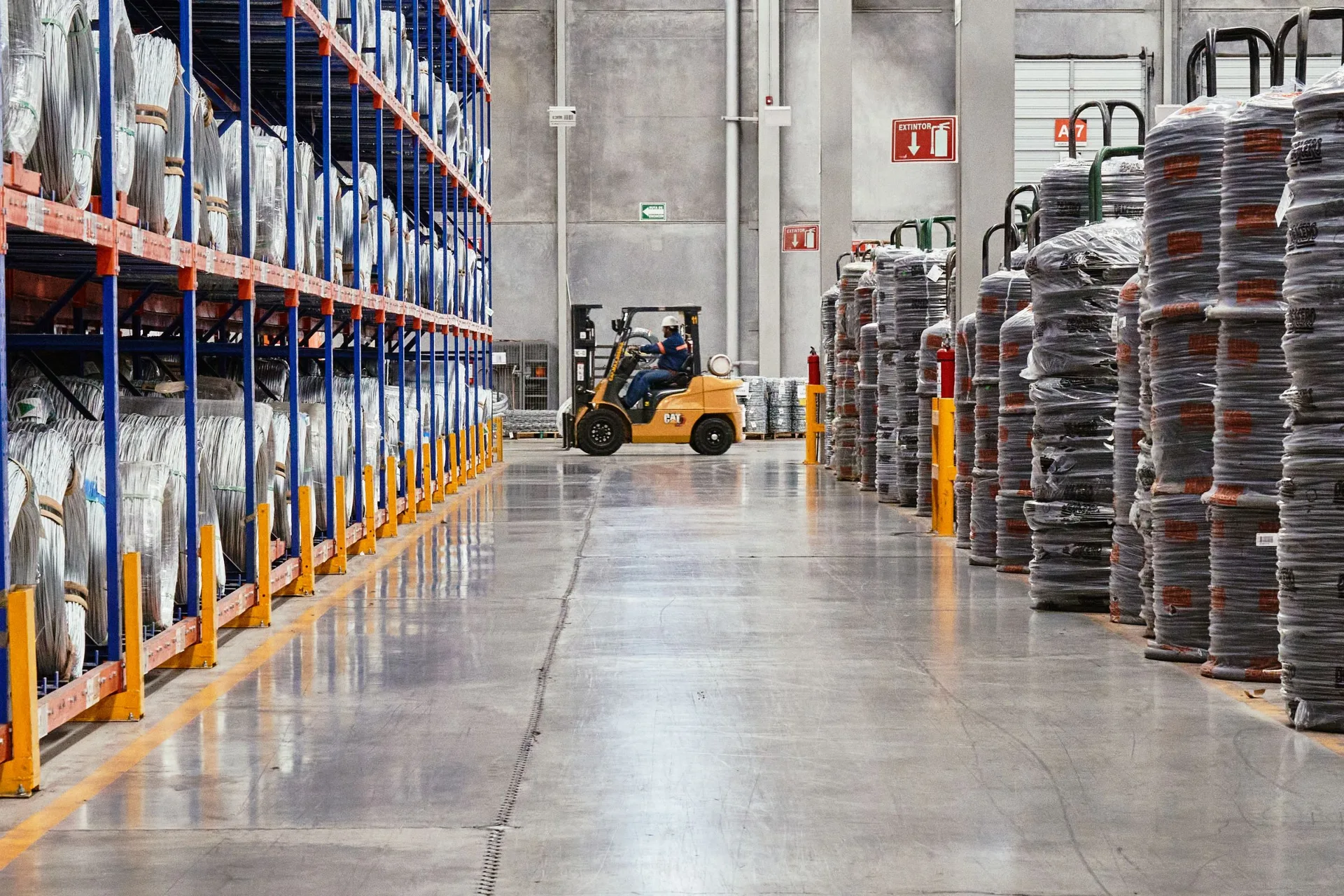
The larger the area, the lower the unit price. Fixed costs such as transporting the crew and machinery, setting up, preparation and health and safety measures are spread over a larger area. A thousand-square-meter warehouse floor and a forty-square-meter home garage cannot be priced at the same unit rate. That is why it is normal to quote a lump sum instead of a unit price for very small areas.
5. Material quality
Solvent-free, high-solids epoxies are more expensive, but they achieve the same thickness in fewer coats, are odorless and do not shrink when they cure. Cheap materials with a high filler content look good on day one, but they wear and yellow more quickly and offer weaker chemical resistance. The quote should include the brand and technical data sheet of the product to be used, so that you can check the solids content, chemical resistance chart and curing times for yourself.
6. Additional work
The following items are usually priced separately:
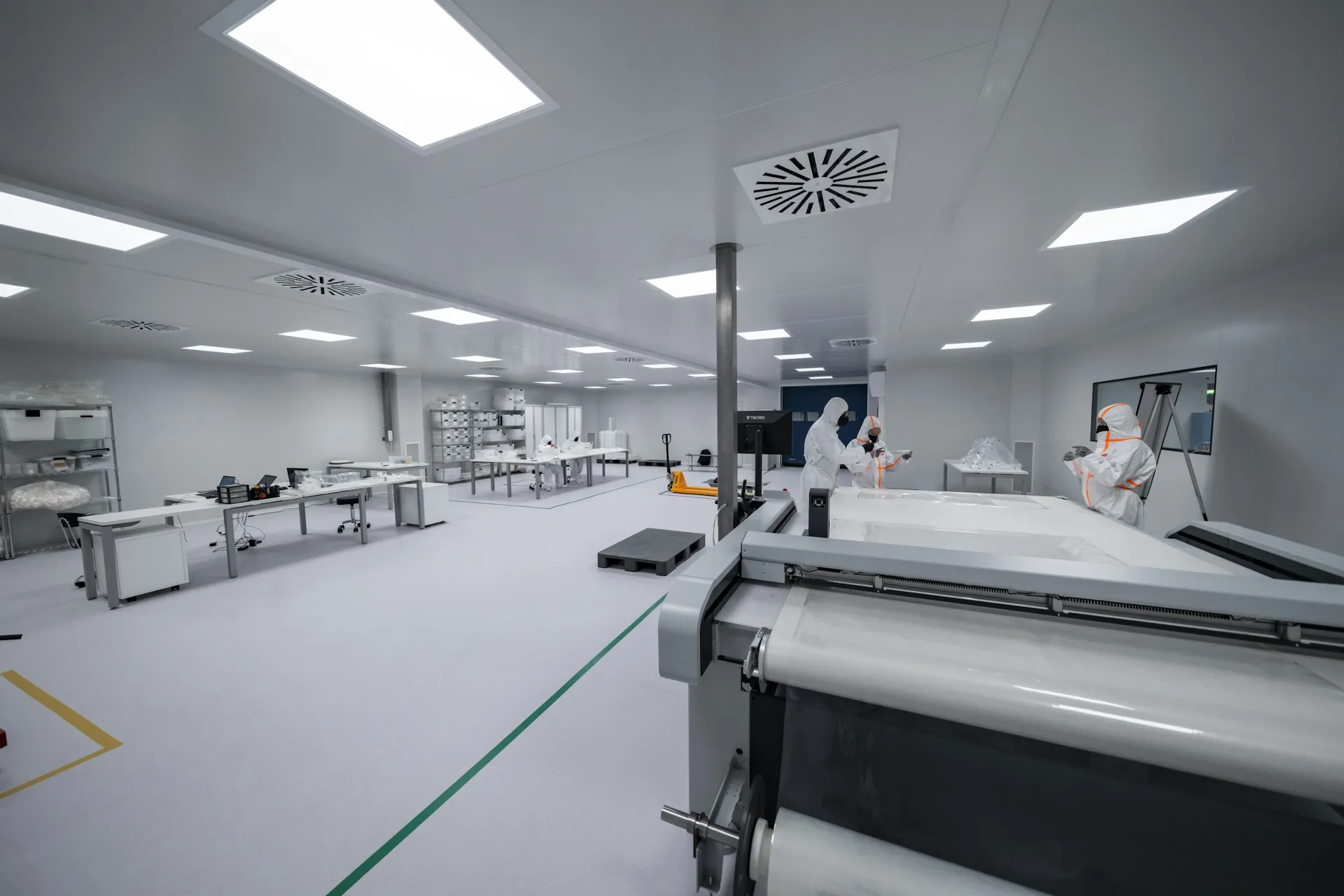
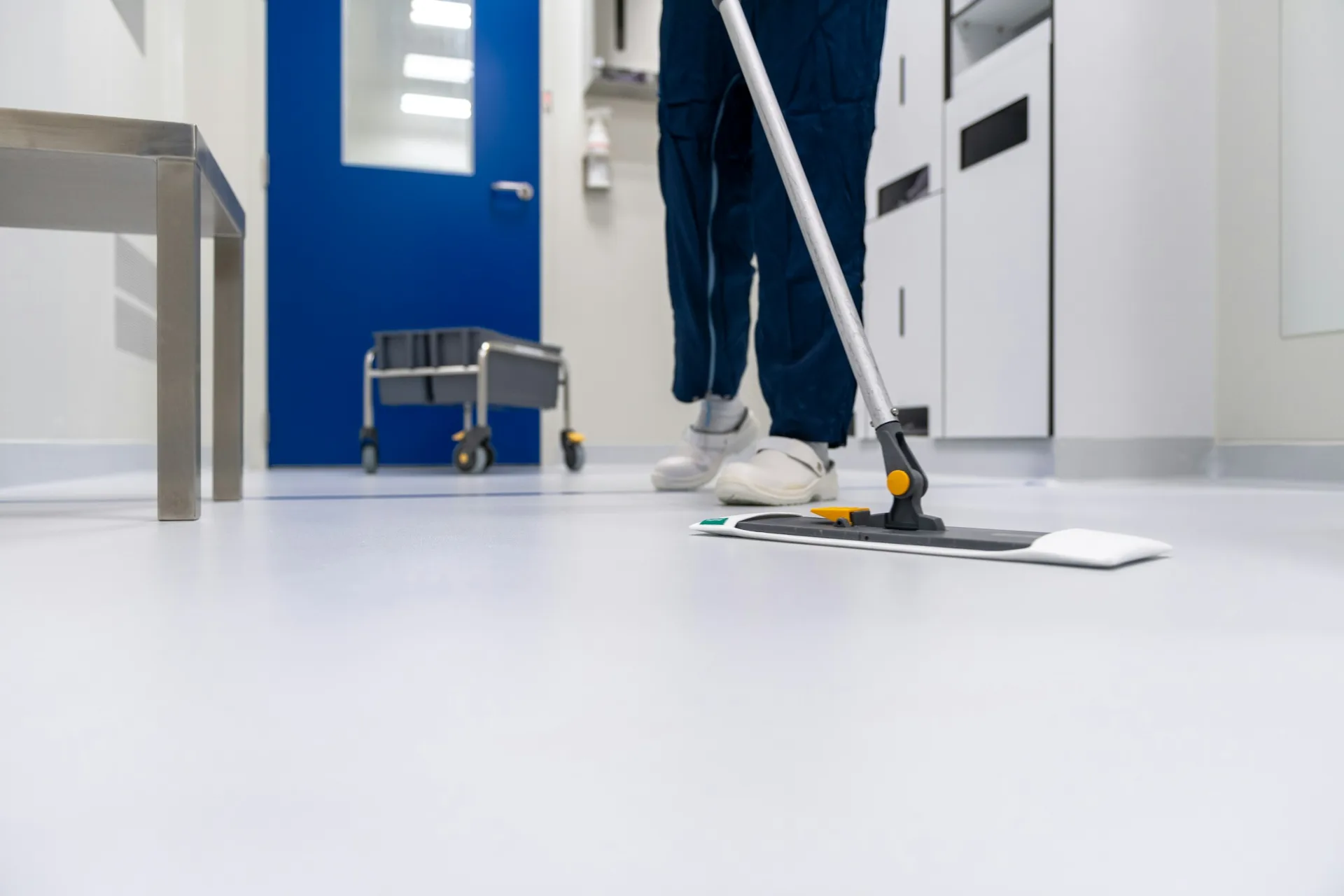
- Coved skirting: required for hygiene, especially in hospitals and food processing plants.
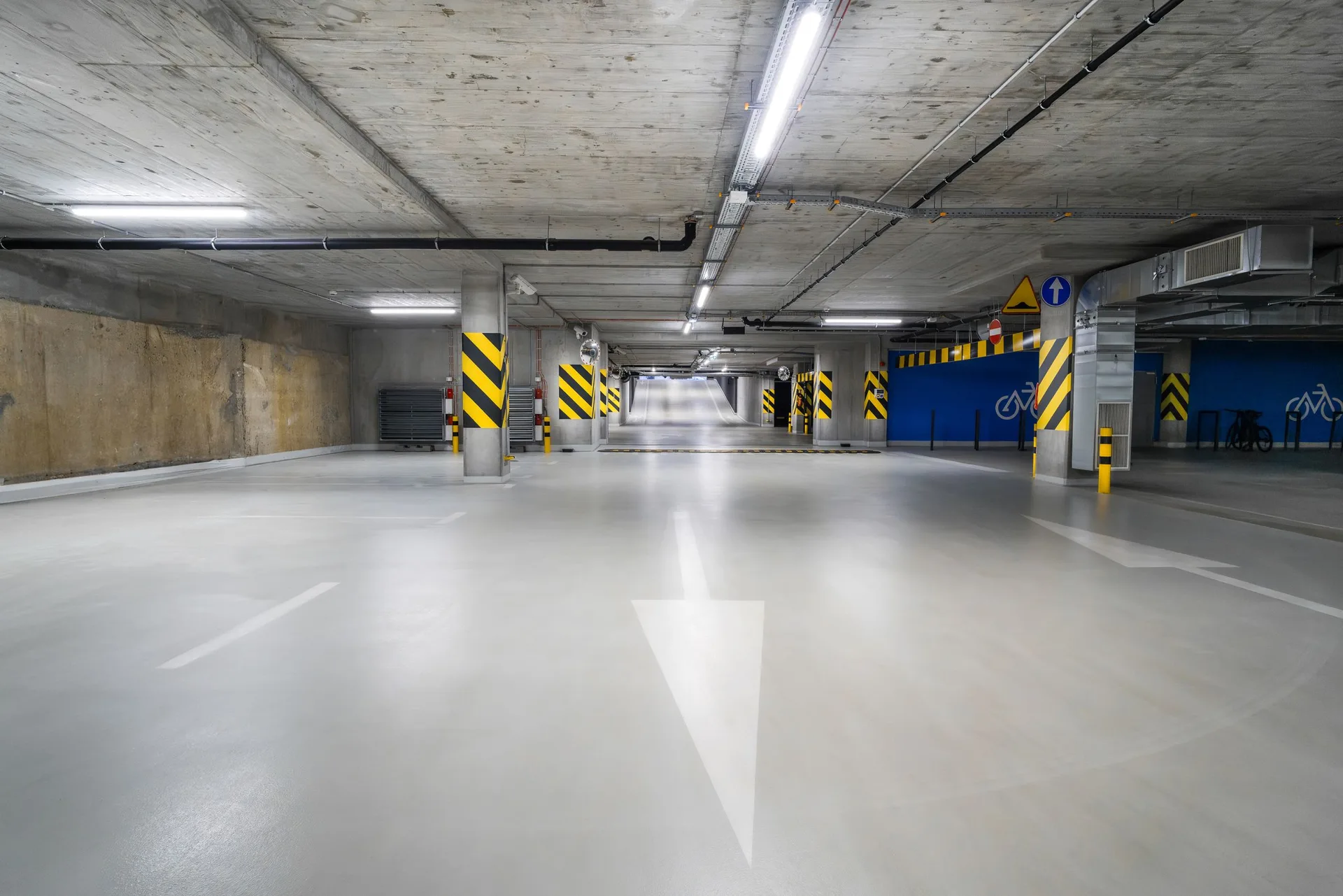
- Parking, directional and pedestrian walkway lines: frequently requested in parking garages and factories.
- Sealing expansion joints with a flexible filler.
- Correcting falls toward drains.
- Logos, corporate color transitions or custom pattern work.
- A UV-resistant polyurethane topcoat.
7. Working conditions and schedule
Accommodation and transport for out-of-town and overseas projects, night or weekend work, carrying out the job in phases so as not to stop production, and the need for a fast-curing system are all reflected in the cost. If the space has to be heated during the winter months, this is also taken into account; we explain the effect of low temperatures on curing in our article how long does epoxy flooring take to cure.
How should you compare epoxy flooring quotes?
- Ask for the layers of the system and the total thickness in millimeters in every quote.
- Ask how the surface will be prepared: diamond grinding, shot blasting, or just sweeping?
- Ask for the brand and technical data sheet of the material to be used.
- Clarify whether repairs, filler and skirting work are included in the price.
- Ask whether a moisture test will be carried out.
- Get the scope and duration of the warranty in writing.
The lowest unit price usually means the thinnest coating and the least surface preparation. A floor that blisters after two years, once you add the cost of removing and redoing it, is the most expensive floor of all.
Smart ways to reduce epoxy flooring cost
It is possible to bring the price down without compromising on quality:
- Choose the system by zone: Instead of covering the whole area with the heaviest system, you can use a thick system in high-traffic aisles and a thinner one under racking and in little-used zones.
- Plan the job in one go: When work is carried out piece by piece, the fixed costs arise all over again each time.
- Have the floor assessed early: In new buildings, planning the surface quality of the concrete correctly from the outset reduces later repair and leveling costs.
- Do not neglect maintenance: A regularly maintained floor can be restored to its original appearance with a new topcoat instead of being removed. Details are in our epoxy floor maintenance and cleaning guide.
What is needed for an exact price?
We prepare an itemized written quote from the floor area, photos of the floor and information on how it is used; the quote clearly sets out the layers, thickness and materials, states the exact price and lists possible extra work, such as repairs, a moisture barrier, removal of an old coating or skirting, as separate items. Once the quote is approved, we come for an on-site survey: we check the moisture and soundness of the concrete, and it becomes clear which of the listed extra items are needed. Click here to request a quote.