
What Is Epoxy Flooring? Types, Benefits and Applications
We explain in plain language what epoxy flooring is, which types are available and why it is chosen for different kinds of spaces.
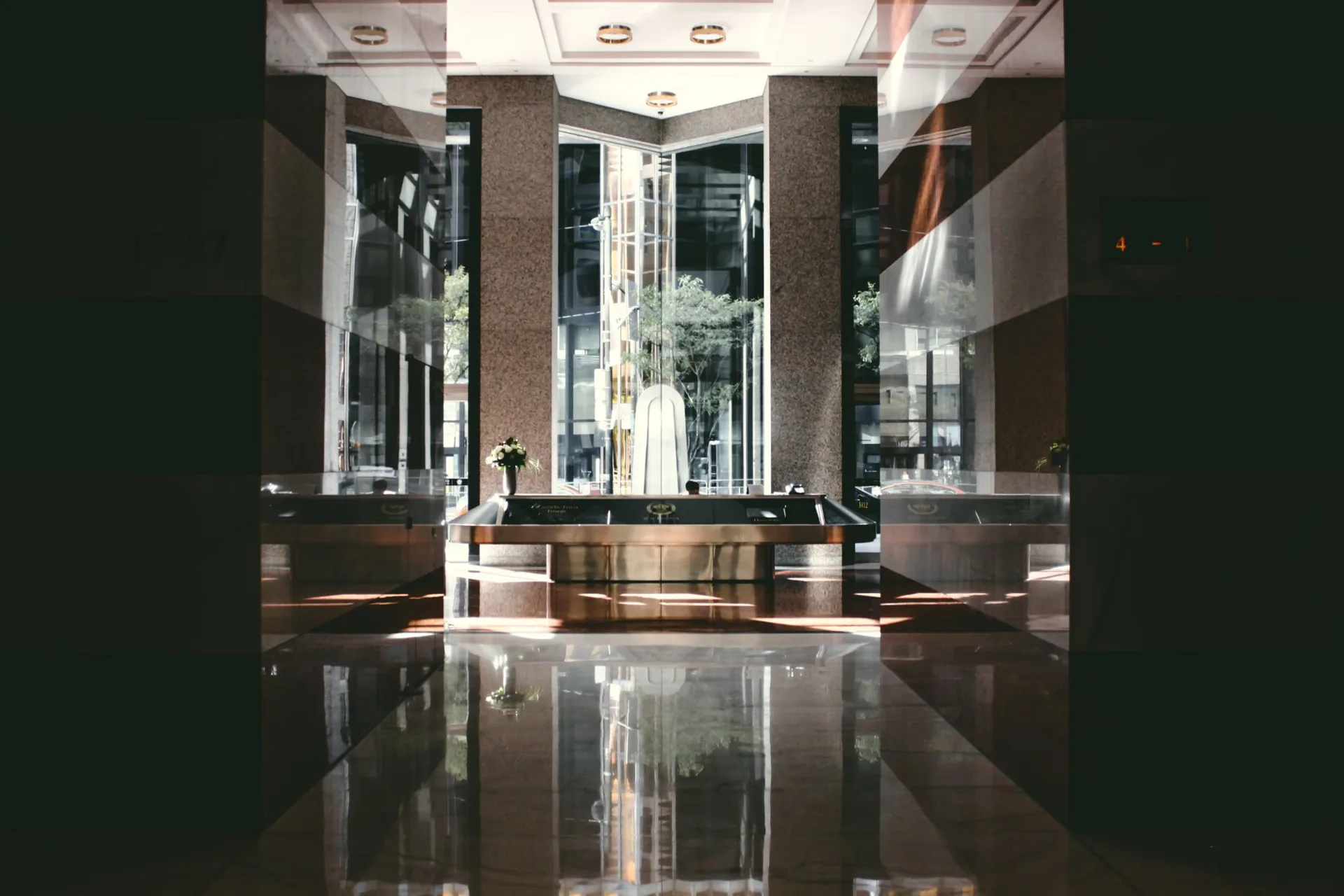
Seamless decorative floors in which clear epoxy with metallic pigments gives a marble, cloud or liquid-metal look; because the pattern is created by hand, every installation is one of a kind.
Metallic epoxy flooring is a decorative coating, 2–3 mm thick, in which clear epoxy mixed with metallic pigment is poured over a colored base coat and shaped by hand to give a marble, cloud or liquid-metal look. Because the pattern is made by hand every floor is unique; the decision is made on sample boards. It is intended for showrooms, stores, cafés, offices and hotel lobbies, and is not suitable for heavy industrial traffic.
Metallic epoxy flooring is a decorative coating prepared by adding metallic pigment to clear epoxy resin and shaped by hand after it has been poured onto the floor. Once cured, it produces a seamless surface with a strong sense of depth that gives the impression of marble veining, clouds, a lava flow or liquid metal. Its thickness is 2–3 mm.
It is the structure of the pigment that creates the effect. Metallic pigments are very fine, flat particles that reflect light. They hang suspended in the clear resin, change direction with the current as the material flows, and stay in the position they are in at the moment the resin hardens. Because light is reflected from these particles at different angles, the surface takes on a shimmer that changes with the viewing position and the lighting.
The pattern is created not by a machine but by the installer. Even if the same colors, the same crew and the same method are used, no two floors turn out identical; every metallic epoxy floor is unique. This is the most attractive side of the system, and also the one that needs to be understood correctly from the start.
The build-up follows the same logic as other epoxy coatings: a prepared substrate, a primer and a poured layer that is bonded to the floor over its whole area. In other words, metallic epoxy is not a paint but a hard coating with real thickness. Its design purpose, however, is appearance; the limits of the load and traffic it can carry are described separately below.
The same metallic pigment looks deeper and higher in contrast over a dark base, and softer and brighter over a light base. For this reason the color decision is made not with the pigment alone but together with the base coat.
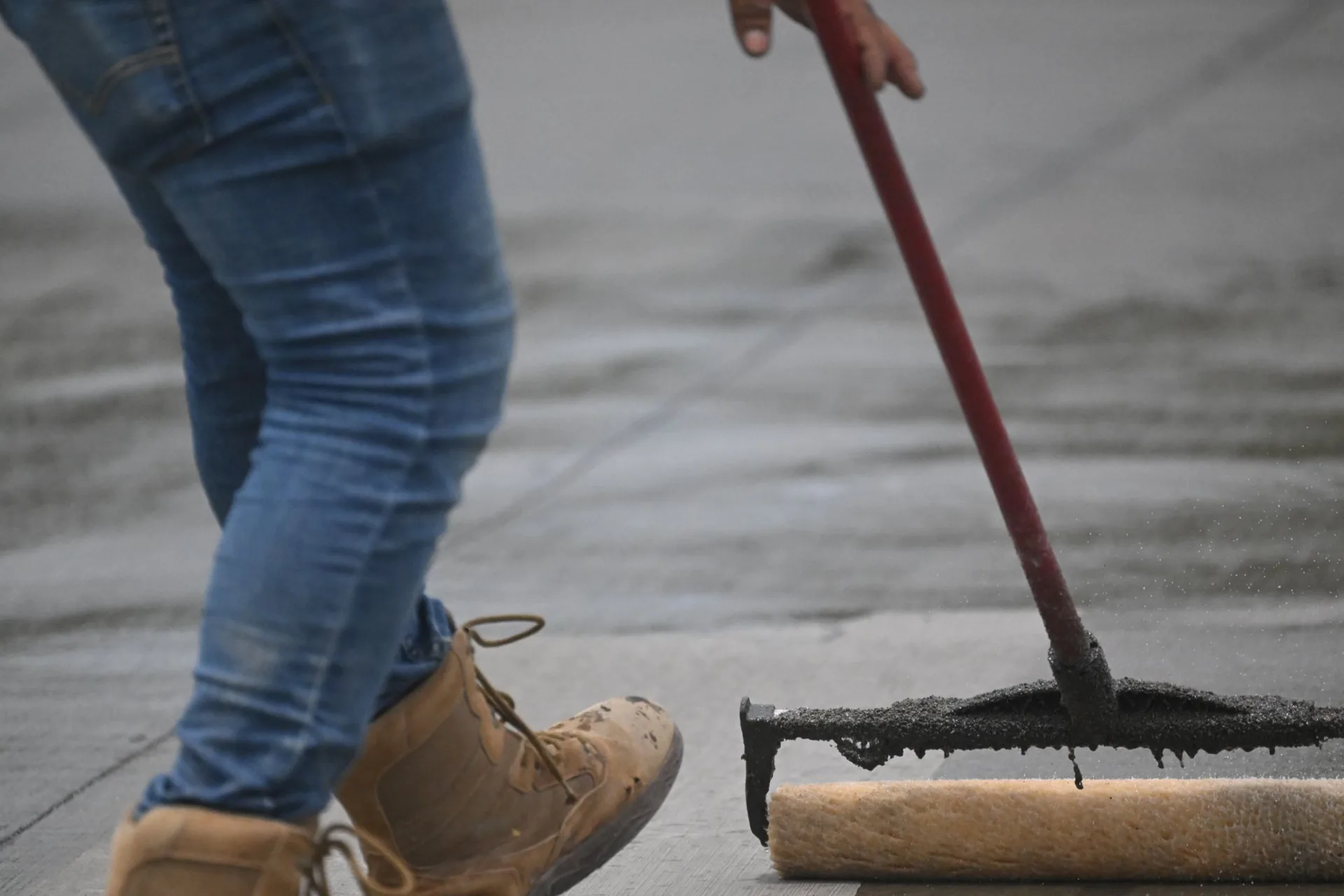
After the metallic coat has been poured, the material remains fluid for a while, and the installer creates the pattern during this time. The tools used are simple: a trowel, a roller, a brush, an air blower and solvent dripped onto the surface. The direction in which the trowel is drawn gives the veins, the movement of the roller gives the clouding, the stream of air gives wavy transitions, and the drops of solvent give ring-shaped openings.
The colors are either poured in separate bands and blended into one another on the floor, or a second color is added as fine veins over the main color. The pigment goes on moving by itself until the resin hardens; this is why the final form of the pattern only becomes clear hours after application and can never be predicted completely.
The ambient temperature, the thickness of the coat and the flatness of the floor also affect the result. In a warm room the material sets quickly and the pattern stays sharper; in a cool room the pigment flows for longer and the transitions soften. This variability is not a defect but the nature of the system. For those who want a repeatable floor that looks the same everywhere, the right choice is a single-color self-leveling epoxy coating.
Metallic epoxy is not a product that is picked from a catalog and delivered exactly as shown. The decision is made on sample boards: small boards are prepared with the chosen base color and pigments and assessed in the light of the space itself. The board shows the color harmony, the level of gloss and the general character of the pattern. The pattern on the floor will not be an exact copy of the one on the board; the board is not a template but an indication of direction.
Broadly speaking, the color families behave as follows:
The floor should be considered together with the walls, the furniture and the lighting. A strongly patterned floor is balanced by plain furniture. Spotlighting increases the shimmer, while diffuse light softens the pattern; this is why it is important to look at the board under the real lighting of the space when making the decision.
A decorative floor does not mean a metallic pattern alone. Several options can also be used together in the same space.
Metallic epoxy is a decorative system. In the conditions below we have to recommend a different solution.
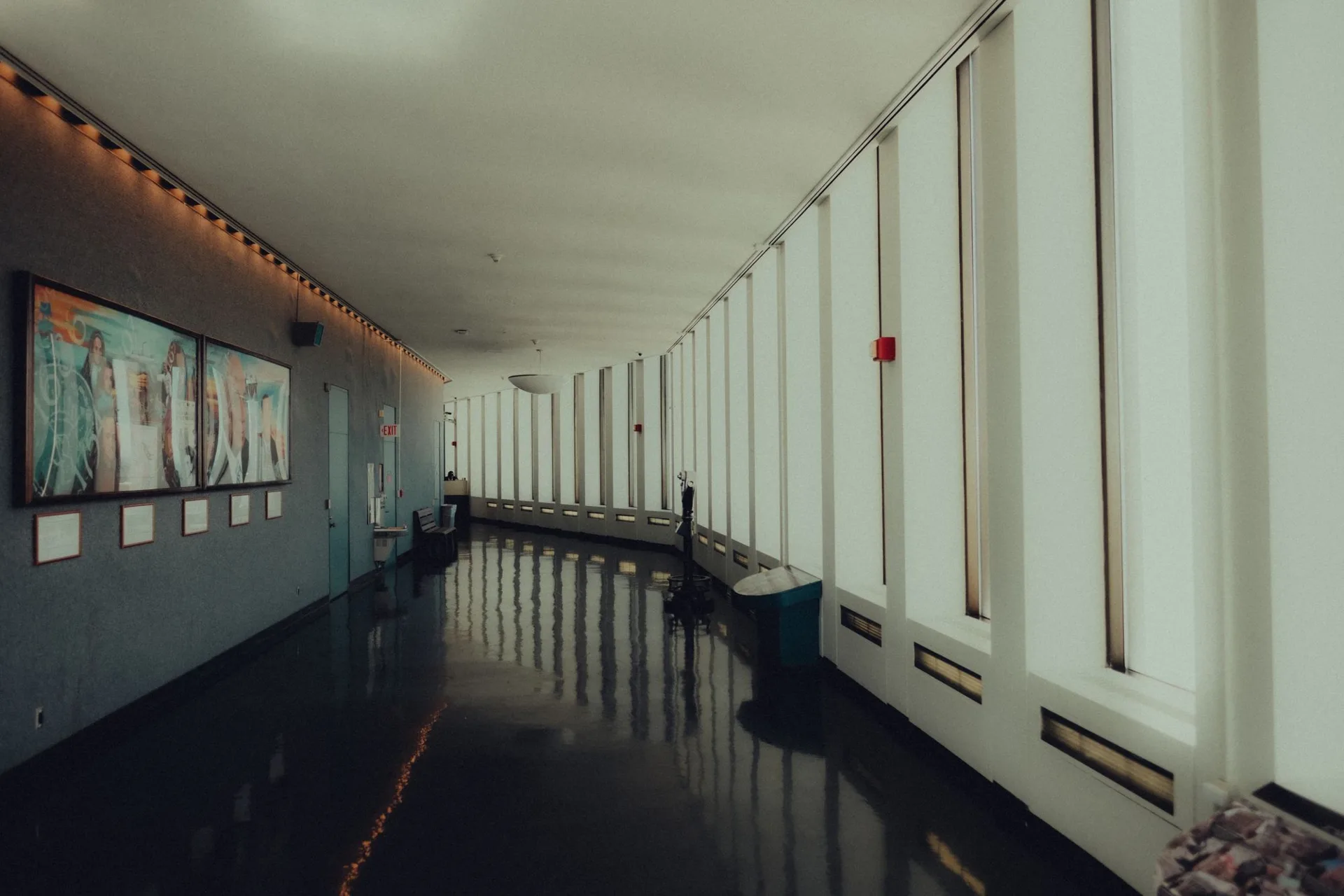
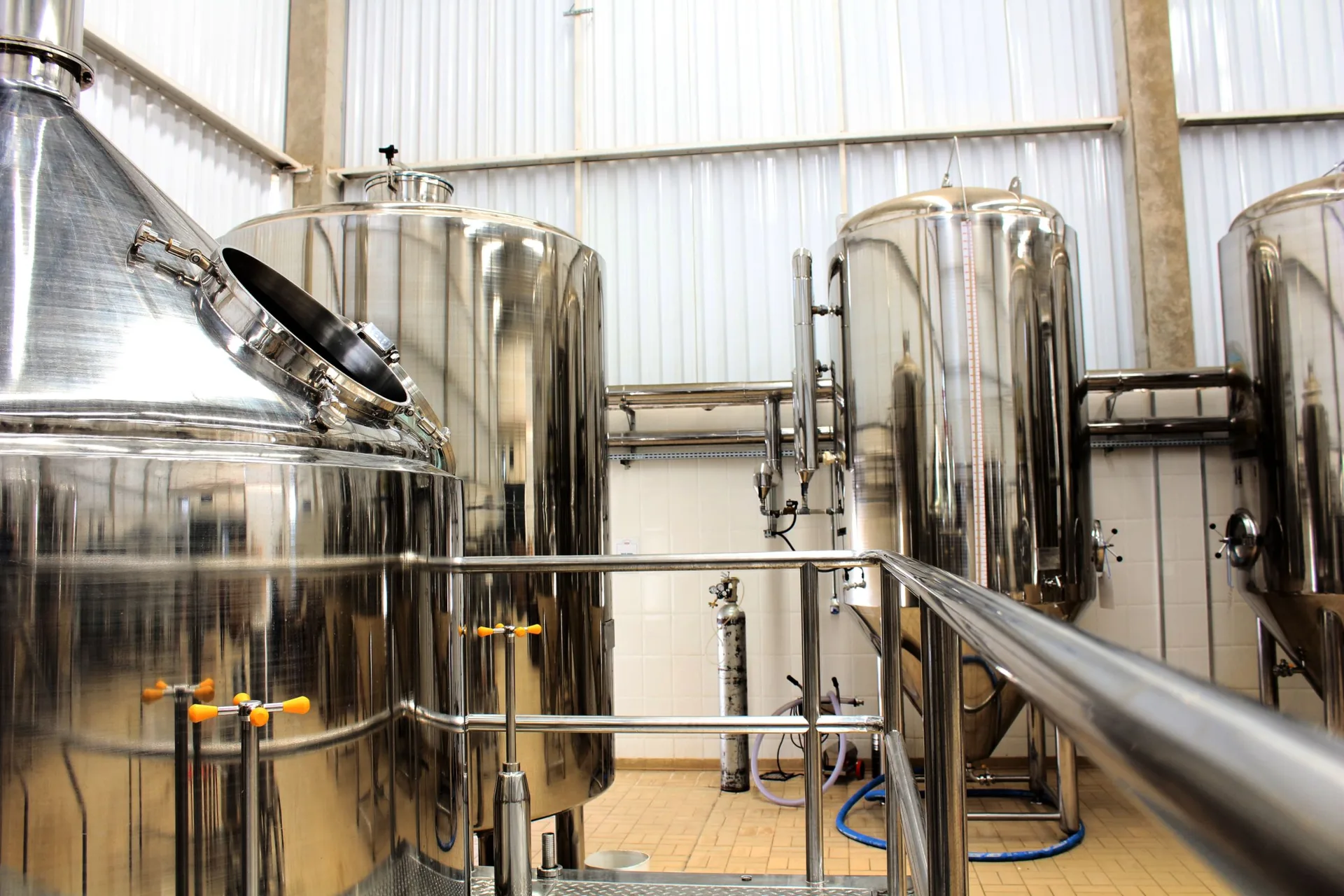
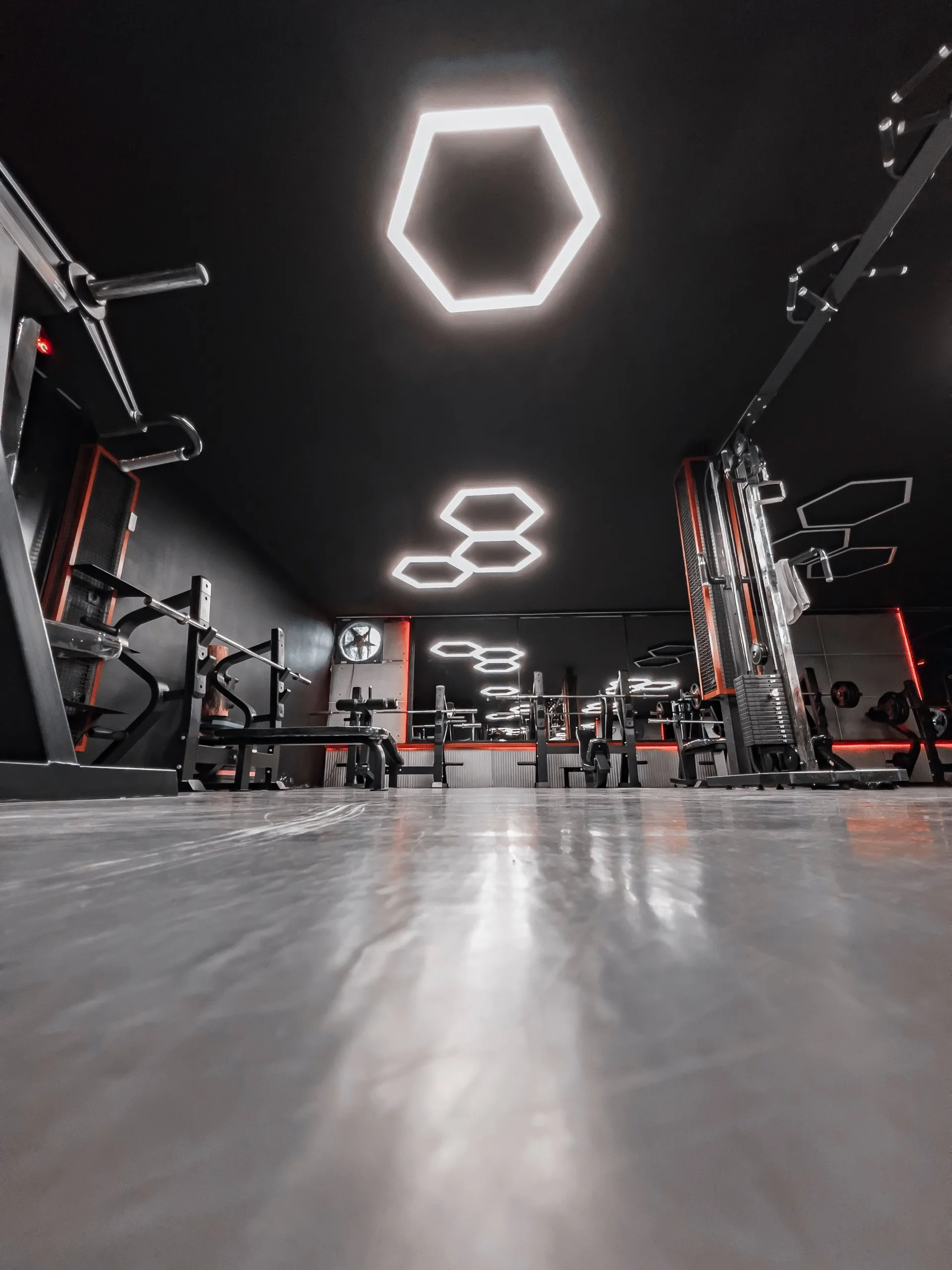
The common factor is that the floor is on view and is mainly walked on. The spaces where we apply it most often are these:
In furniture, tile, lighting and clothing stores the floor is the stage behind the product. Metallic epoxy is used here in two ways: a calm, single-tone pattern across the whole sales area, or a bolder piece of work in accent zones such as the entrance and the area in front of the shop window. In stores where the merchandise is colorful and crowded, gray and anthracite shades keep the floor in the background. Fitting felt pads to the feet of clothes rails and display stands reduces scratching. For details, you can look at the shopping mall and retail store epoxy flooring page.
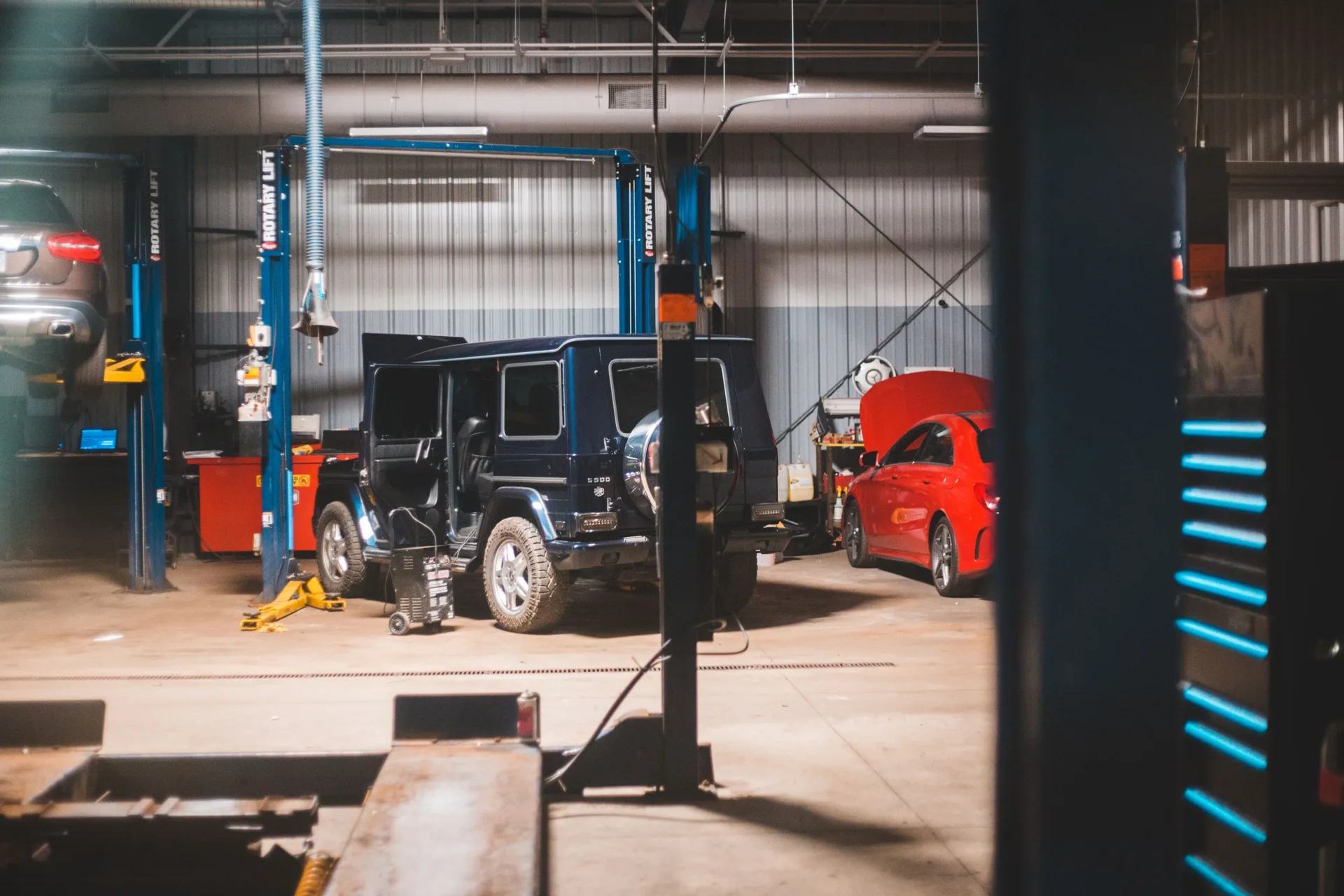
In halls where vehicles are displayed, a glossy floor reflects the bodywork of the car and the light and so strengthens the display. A car tire is a different load from a pedestrian's shoe: turning the steering wheel while stationary can leave marks on the surface. For this reason a topcoat with high scratch resistance is chosen in car showrooms, and the floor is taken into account when the routes by which vehicles enter and leave and the display positions are planned. The service department behind the showroom is coated with a separate system; see auto repair shop epoxy flooring.
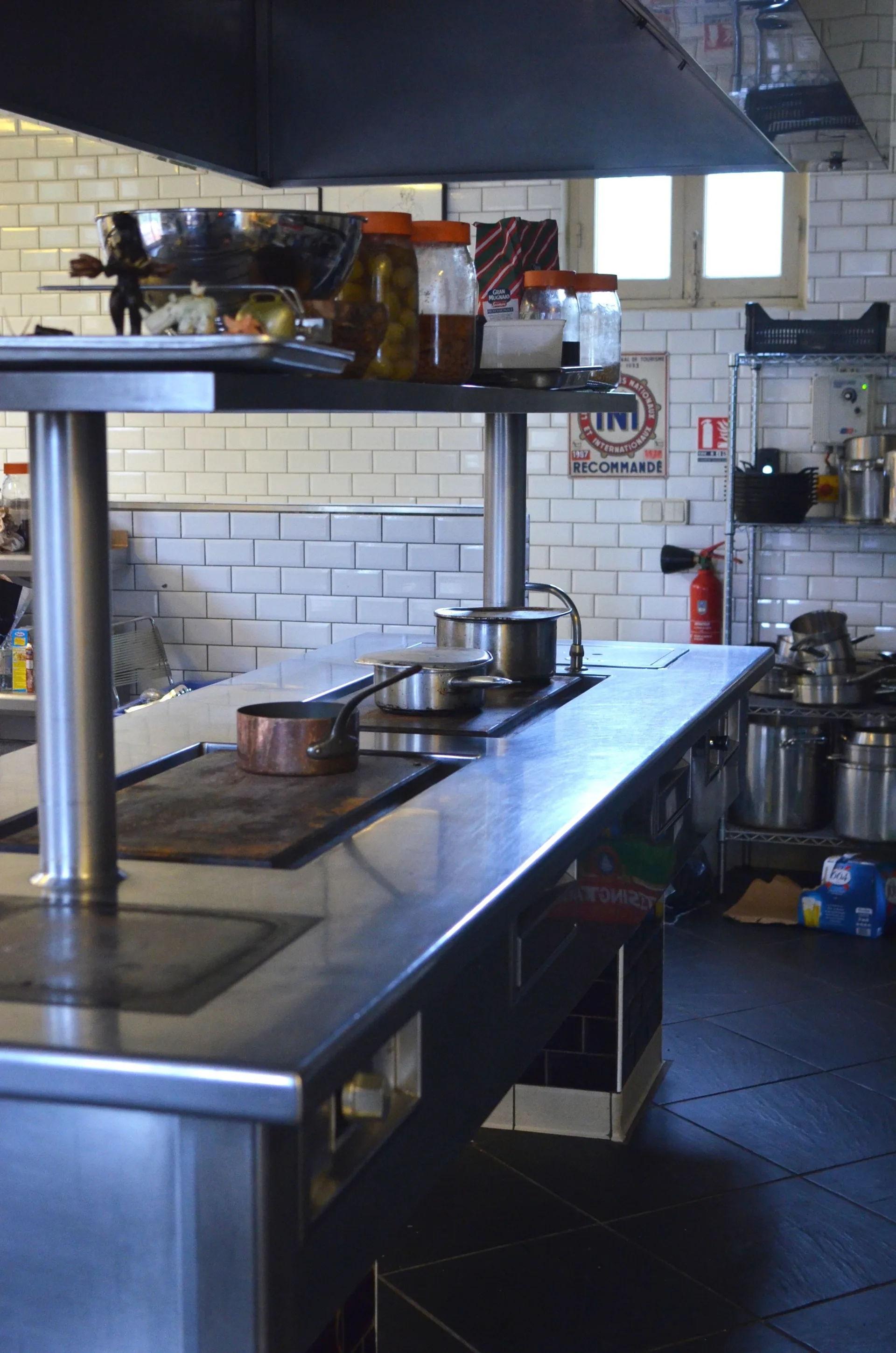
In the dining area, metallic epoxy provides a floor that gives the venue its identity; spilled drinks and food are wiped off the surface. In these venues it is the chair legs that tire the floor most: chairs pulled out and pushed in all day long dull the surface if they have no felt pads or soft caps underneath. A matte or satin topcoat hides these marks. Behind the bar and in the kitchen, however, the floor works wet; the look of the dining area is not carried through to these places, and we switch to the textured system.
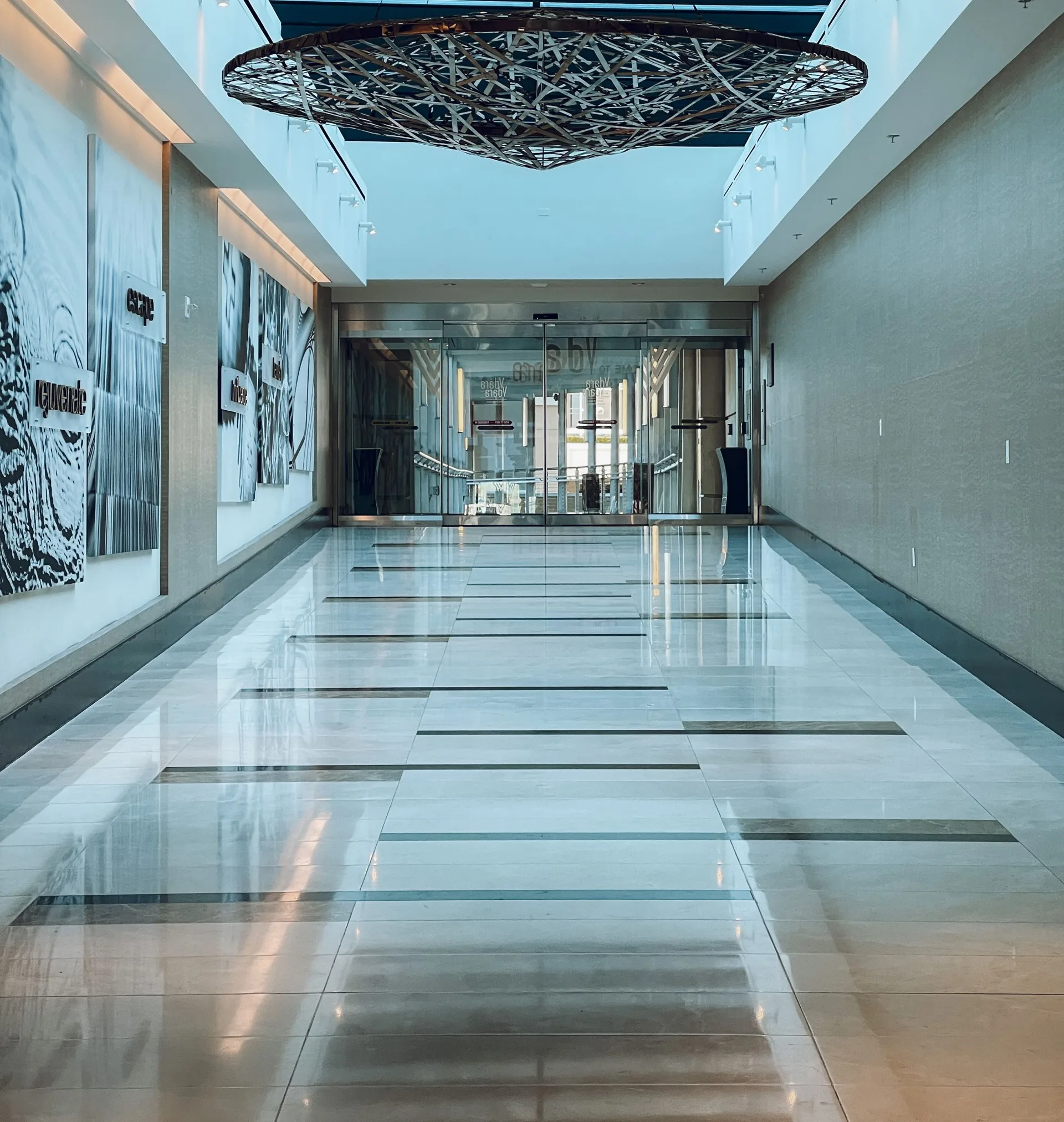
The lobby, the area in front of reception, the foyers of meeting rooms and the spa entrances shape the guest's first impression. On a large, uninterrupted surface the pattern is seen at its best. Because of suitcase wheels and the constant coming and going, a matting zone needs to be left at the doors and a durable topcoat has to be chosen. The application is planned for the hotel's quiet season and with the area divided into sections. The details are on the hotel epoxy flooring page.
In corporate offices metallic epoxy is mostly used in the entrance, waiting and meeting areas; in the working areas a calmer floor is preferred. Because office chairs on castors turn constantly on the same spot, using protective mats under the desks extends the life of the surface. In hair and beauty salons, too, the seamless surface makes it easier to clean up hair and dye; drops of dye and chemicals should be wiped away without delay.
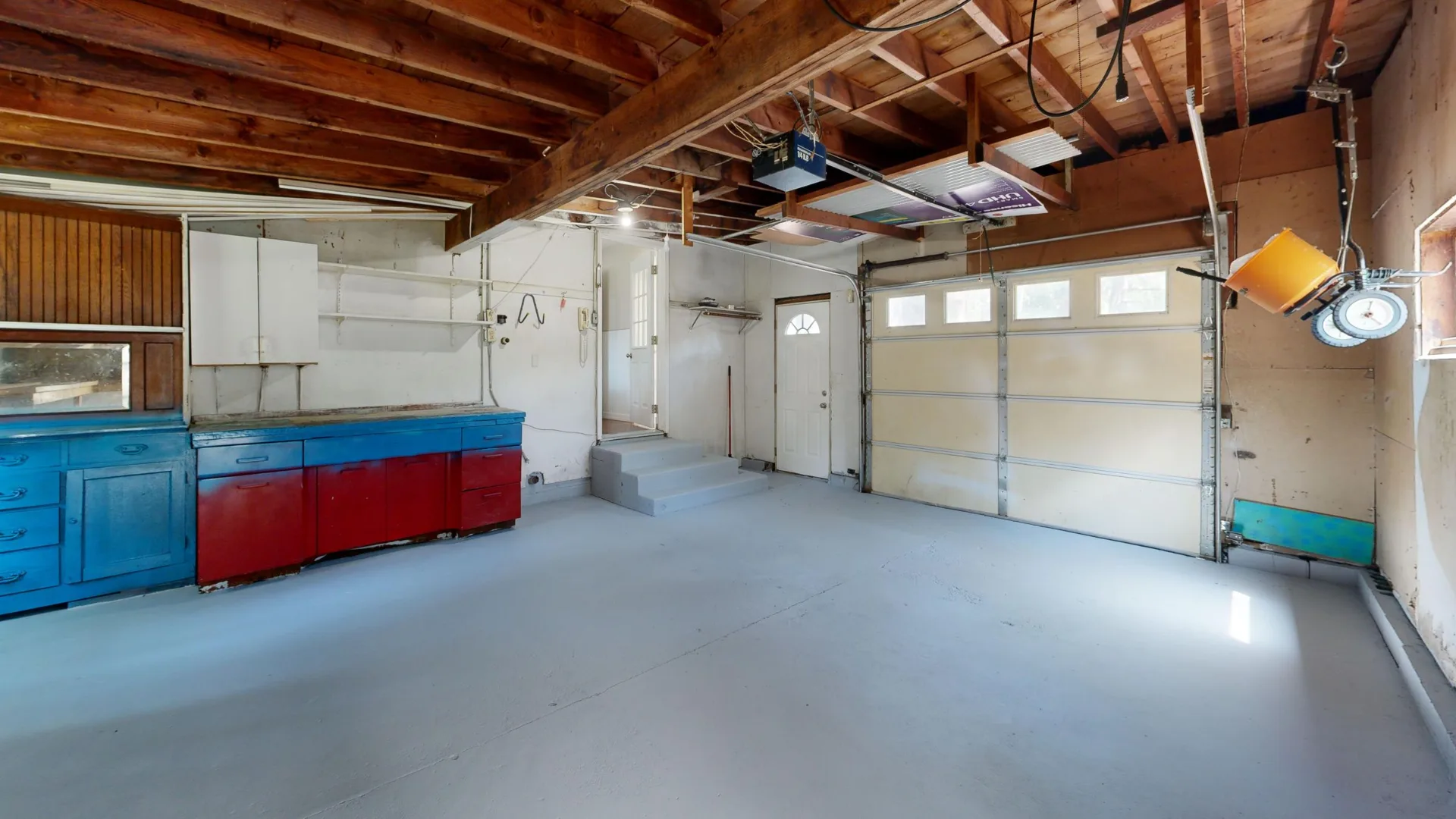
In residential buildings we only consider metallic epoxy for common areas such as entrance lobbies; we do not carry out work inside apartments (living rooms, bedrooms, kitchens, bathrooms). For ancillary spaces such as garages, basements and storage rooms, solid-color or flake systems are a better fit. The details are on the epoxy flooring for home garages and basements page.
Metallic epoxy should be one of the last jobs in a refurbishment. During the application no other trade should be working in the space, and the doors and windows should be kept closed; dust and hairs that land on the wet surface stay inside the clear coat once it has cured. Painting, plastering and ceiling work are finished before the floor; for any work to be done after the floor, the surface is covered and protected.
A gloss finish is the option in which the effect of depth and reflection is strongest; it is the look that comes to mind when metallic epoxy is mentioned. On the other hand, fine scratches and dust are noticed more easily on a glossy surface.
A matte finish cuts the reflection and hides scratches and footprints; it is a practical choice in cafés and stores with heavy foot traffic. The sense of depth is reduced somewhat compared with a glossy surface, and the pattern looks calmer. The soundest way to decide is to see the gloss and matte versions of the same sample board side by side.
The total thickness of the system is 2–3 mm. It is important that the metallic coat is poured at an adequate thickness; in a coat that is drawn thin the pigment finds no room to flow and the pattern stays weak.
The two systems are close to each other in thickness and build-up; the difference lies in purpose and appearance. Self-leveling is a single-color, repeatable and functional floor; it is suitable for forklift traffic. Metallic epoxy is patterned, unique and decorative; it is intended for foot traffic. Because the metallic system involves additional layers such as the base coat and the topcoat, as well as work by hand, it takes longer and costs more. For a store that wants a plain, corporate look self-leveling is the right choice; for one that wants to make the floor the focal point of the space, metallic is.
Textured epoxy is an anti-slip floor made rough with quartz sand; it is chosen for safety, not for appearance. Metallic epoxy, by contrast, is smooth and glossy. The two are used side by side in the same business: the dining area of a restaurant is metallic and its kitchen textured; the lobby of a hotel is metallic and its service corridor textured. The transition is resolved at a natural line such as a door threshold.
Epoxy paint is a thin film of 0.3–0.5 mm, and its purpose is economical protection and dust-proofing. It does not cover the texture of the concrete and gives no effect of depth. Metallic epoxy is a poured coating of 2–3 mm; it turns the floor into an even, patterned surface. When the customer-facing section of a business is coated with metallic and its storeroom and plant rooms with paint, the budget is spent in the right place.
The care of metallic epoxy rests on keeping away the things that would scratch the surface. For daily cleaning a microfiber mop and lukewarm water are enough, with a neutral detergent when needed. No polish or shine product is required; such products leave a film on the surface and cloud its appearance. Abrasive powder cleaners, hard pads and steel wool scratch the topcoat.
A mat placed at the entrance protects the surface by trapping the sand carried in on shoes. Felt pads should be fitted to the feet of tables, chairs and armchairs, and furniture should be lifted and carried, not dragged. Placing a tray under heavy plant pots prevents both scratching and water stains. Some rubber-backed mats can leave a mark when they stay in the same place for a long time; lifting them now and then and wiping underneath is enough.
Spilled liquids do not soak into the surface, but hair dye, acetone and strong solvents should not be left standing. If dulling appears along the walking routes over the years, the pattern is not touched: the surface is lightly sanded and the clear topcoat is renewed. In this way the metallic coat beneath regains the look it had on the first day.
For a daily, weekly and yearly maintenance schedule and cleaning tips for each type of stain, see our guide Epoxy Floor Maintenance and Cleaning.
Of the systems we apply, metallic epoxy is the one that calls for the most work by hand, and its cost is made up accordingly.
We explain what to look for when comparing quotes in our article 7 Factors That Determine the Cost of Epoxy Flooring per m².
For a metallic epoxy floor you can start the process by filling in the quotation form. The following information makes our work easier:
With this information we prepare our written quote; once the quote is approved, we carry out a site survey and measurement and prepare the sample boards. For examples of completed work you can look at the projects page, and for the other systems at the services page.
| Thickness | 2–3 mm |
|---|---|
| System | Primer + colored base coat + metallic epoxy + protective topcoat |
| Topcoat | Clear polyurethane (against scratching and yellowing) |
| Open to foot traffic | 24–48 hours |
| Full cure | 7 days (20 °C) |
| Finish | Gloss or matte |
| Suitable traffic | Foot traffic and light wheeled traffic |
Metallic epoxy is a hard coating but, like every glossy surface, it is not completely immune to fine scratches. The main sources of scratches are sand carried in on shoes and furniture that is dragged. For this reason a clear polyurethane protective coat is applied over the pattern; a scratch stays in this coat and does not reach the pattern beneath. With a gloss finish fine marks can be seen in the light; with a matte finish they are far less noticeable. An entrance mat and felt pads on furniture feet are the most effective precautions. Years later the surface can be refreshed by renewing the topcoat.
No, an exact copy cannot be made; a pattern from the same color family and of similar character can. The installer creates a metallic epoxy pattern by hand, and the pigment moves by itself until the resin hardens. The ambient temperature, the thickness of the coat and the condition of the floor also affect the result. For this reason the decision is made not from a photograph but on sample boards prepared in the chosen colors. The board shows the colors, the gloss and the general mood of the pattern; the pattern that emerges on the floor is not a copy of that board but a single member of the same family.
Yes, if the tiles are sound it can be applied over them without demolition. First the tiles are checked one by one; any that are loose or hollow underneath are removed and the gap is filled. The glazed surface is ground to roughen it, the joints are filled and the surface is leveled with a filler coat; otherwise the joint lines show through the glossy coating. Coverings that move, such as wood parquet and laminate, are not a suitable base; they are removed and the work is done on the screed beneath. Because the floor level will rise by a few millimeters, the clearance under the doors is checked beforehand.
Under direct sunlight epoxy tends to yellow over time; on clear, light-colored metallic floors this change is noticed more easily. To delay it, a clear polyurethane topcoat is applied to the surface. In interiors that receive no sun the change in color is very slow and in most cases goes unnoticed. In front of large glazed facades, in the strips where the sun falls all day, measures such as curtains or window film also help. For areas that are fully outdoors, such as terraces and open balconies, epoxy is not the right choice.
Because the application consists of several layers and waiting time is needed between them, the job is generally spread over a few days; the duration varies with the size of the area and with how much preparation the floor needs. The floor can be walked on 24–48 hours after the topcoat has been applied. For placing furniture and laying rugs, it is best to wait for the full cure time of 7 days. The area has to be empty and closed off throughout the application; for this reason, in shops, showrooms and offices the work is mostly scheduled before opening, during a refurbishment or over a weekend.
It can be repaired, but repairing it without leaving a trace is not always possible. If the damage is only in the clear topcoat, that is, if there is a scratch or dulling, the surface is sanded and the topcoat renewed, and no trace remains. If an impact has gone down to the metallic coat or to the concrete, that area is opened up and poured again; because the pattern is created by hand, the new section will not be identical to its surroundings. In that case the repair is extended to a natural boundary such as a line of furniture or a door threshold, or the whole room is recoated.
We explain in plain language what epoxy flooring is, which types are available and why it is chosen for different kinds of spaces.
Why do epoxy flooring prices vary so much from one project to the next? We explain the items that make up the price so that you can compare quotes…
Every stage of an epoxy flooring installation from survey to handover: surface preparation, repairs, primer, coating layer and curing.
The two coatings look alike but behave differently. We compare epoxy and polyurethane in terms of hardness, flexibility, and UV and heat resistance.
When can you walk on an epoxy floor, and when can it take loads? Curing times by temperature and the conditions that affect the process.
An epoxy floor needs little maintenance, but it should not be neglected. Everything you need to know, from daily cleaning and stain removal to the…
Our priority is
Tell us about your project, and together we will pin down the right epoxy system for your floor, the application time and our quote.
Get a Quote5-year workmanship and 10-year product warranty. We respond to all requests within 24 hours. We work in all 81 provinces.