
How Long Does Epoxy Flooring Take to Cure? Curing Times
When can you walk on an epoxy floor, and when can it take loads? Curing times by temperature and the conditions that affect the process.
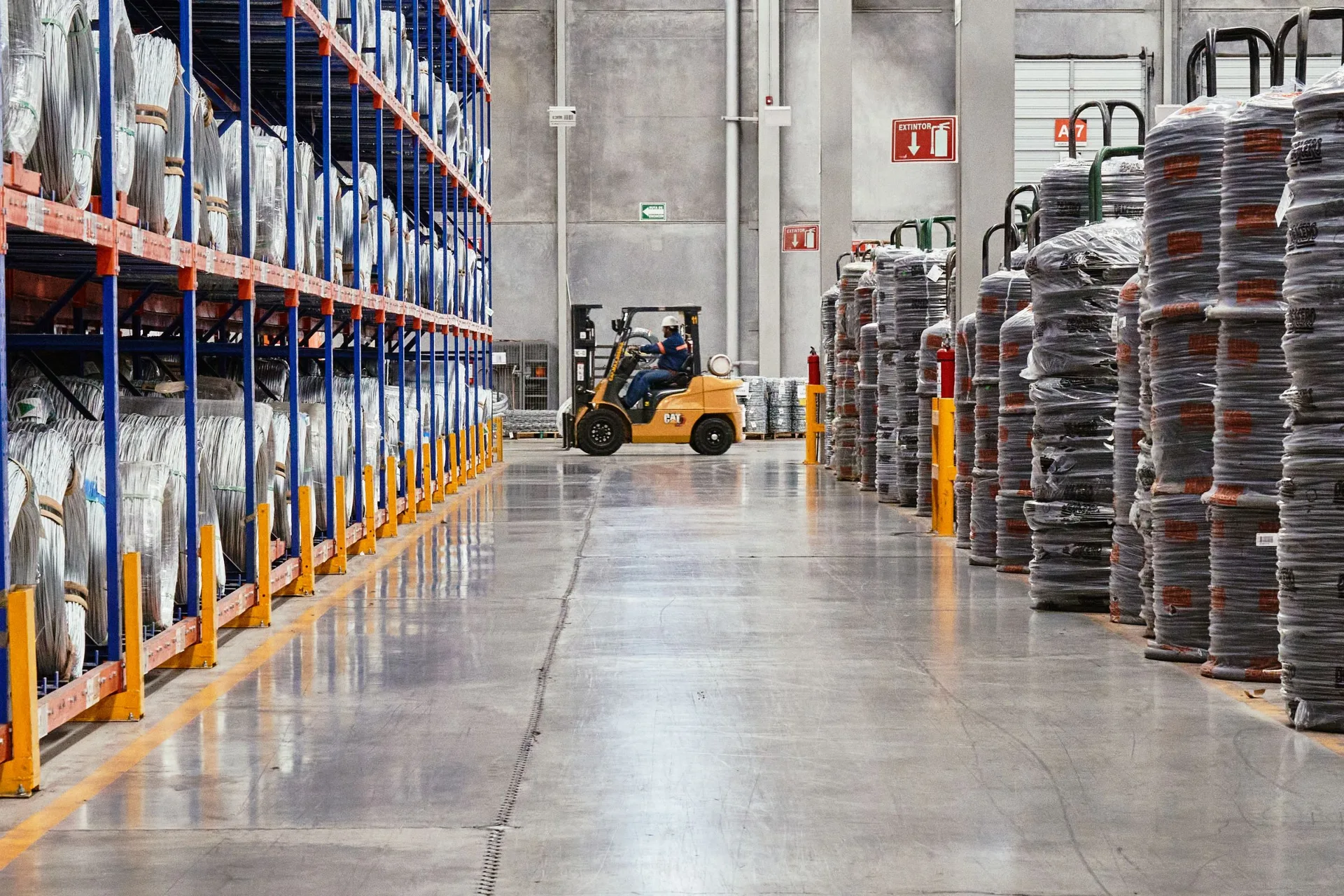
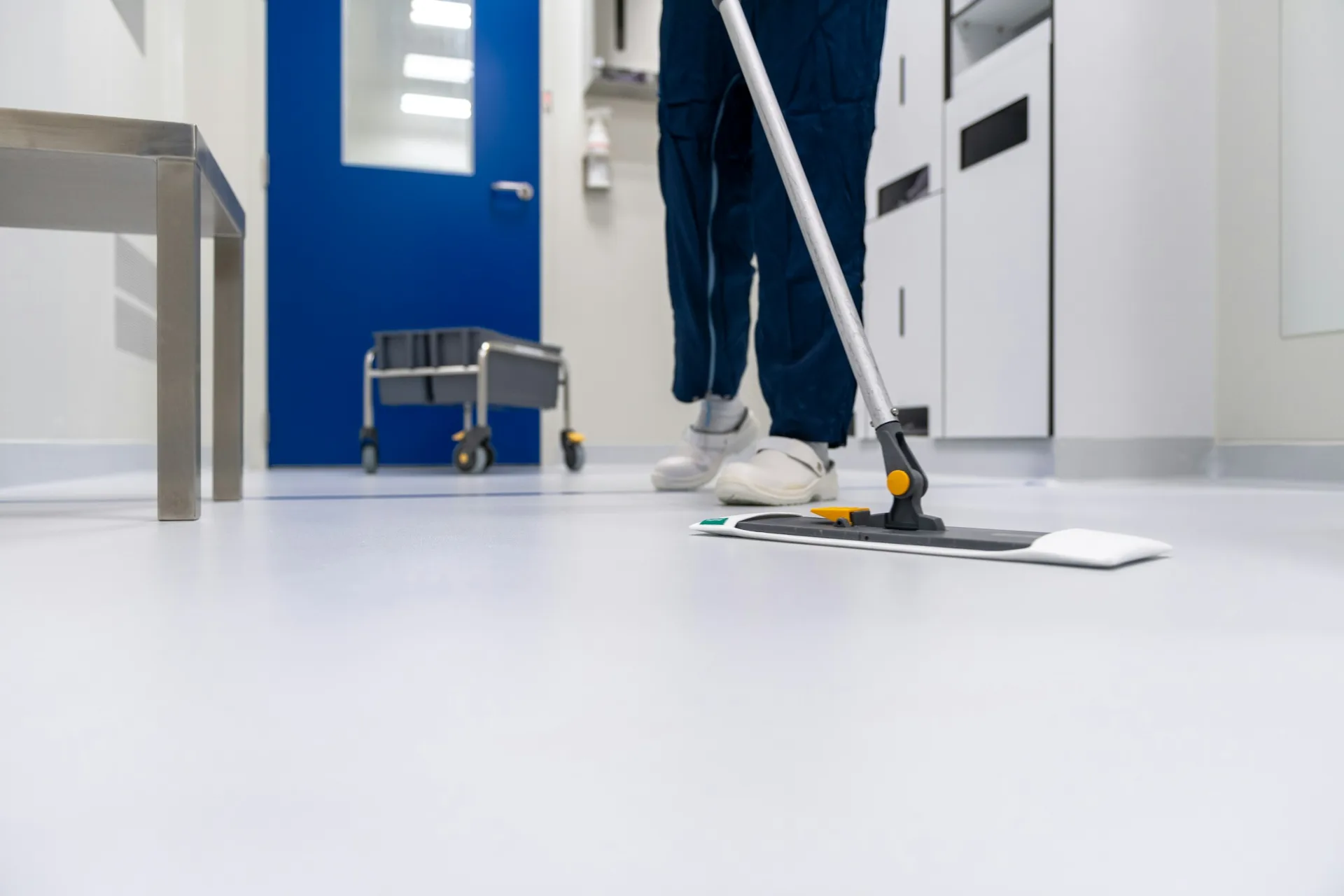
An epoxy floor stays like new for many years with daily dry sweeping, weekly washing with a neutral detergent and wiping up spilled chemicals without delay. Abrasive powders, wire brushes and strong chemicals such as bleach dull the surface and should be avoided.
With the right care, an epoxy floor looks as good as new for many years; the wrong cleaning products and neglect, on the other hand, can quickly dull even the best-installed floor. In this guide to epoxy floor maintenance and cleaning we cover the daily, weekly and annual maintenance schedule, cleaning methods by type of stain, the products to avoid and when the floor needs renewing.
What wears an epoxy floor most is the sand and dust left on it. Under shoes and wheels these particles act like sandpaper, scratching and dulling the surface.
Epoxy is impermeable; liquids do not soak into the floor but stay on the surface. Even so, substances such as oil, fuel, acids and solvents should not be left to stand for long.
On textured anti-slip epoxy floors, the texture can cause dirt to cling in the recesses. On these floors, scrubbing with soft-brush machines or by hand with a brush, followed by rinsing with water, is more effective than mopping. When choosing the texture size, ease of cleaning should also be taken into account; a very coarse texture increases slip resistance but makes cleaning harder.
On metallic epoxy and glossy self-leveling floors, scratches are the main cause of dulling. Putting felt pads on furniture legs, using entrance mats and reducing stiletto-heel traffic protect the surface for a long time. Floors with a polyurethane topcoat are more scratch-resistant; we explain the difference between the two materials in our article epoxy vs. polyurethane flooring.
Over the years, dulling and thinning may appear in zones that take heavy traffic. This does not mean the floor has to be removed completely. Sanding the surface and applying a new coat on top restores the floor to its original appearance. If there is blistering, peeling or cracking, the cause (usually moisture or inadequate surface preparation) must be found and repaired; we explain the correct installation steps in our article how is epoxy flooring installed.
To renew or repair your floor, you can request a quote; we assess from the photos of your floor whether a new topcoat is enough and confirm this on site during the survey once the quote is approved.
When can you walk on an epoxy floor, and when can it take loads? Curing times by temperature and the conditions that affect the process.
The two coatings look alike but behave differently. We compare epoxy and polyurethane in terms of hardness, flexibility, and UV and heat resistance.
Every stage of an epoxy flooring installation from survey to handover: surface preparation, repairs, primer, coating layer and curing.
Our priority is
Tell us about your project, and together we will pin down the right epoxy system for your floor, the application time and our quote.
Get a Quote5-year workmanship and 10-year product warranty. We respond to all requests within 24 hours. We work in all 81 provinces.